Technology continues to advance at an unprecedented rate, revolutionizing the way we interact with the world around us. One area where exceptional technologies and products have made a significant impact is in the field of image processing. Image processing has become an essential tool in various industries, from healthcare to entertainment, and continues to evolve with cutting-edge innovations that enhance our visual experiences.
Category : |
Sub Category : Posted on 2025-11-03 22:25:23
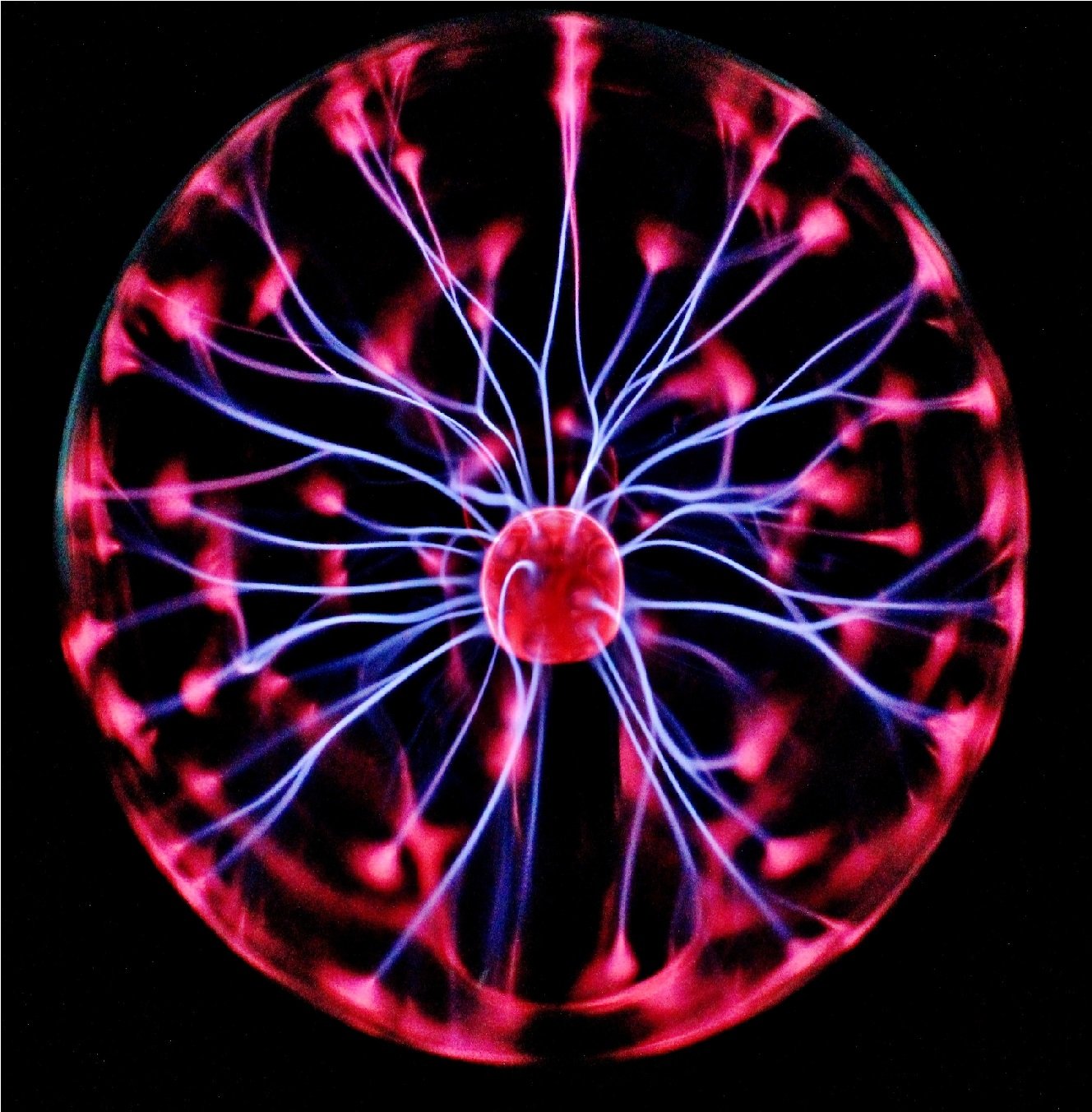
One exceptional technology that has transformed image processing is artificial intelligence (AI). AI algorithms have the ability to analyze and interpret visual data at a level that surpasses human capabilities. This has enabled the development of sophisticated image recognition and categorization systems that power applications like facial recognition, object detection, and autonomous vehicle technology. These AI-driven image processing solutions are not only accurate but also incredibly fast, making them invaluable in tasks that require real-time image analysis. Another groundbreaking technology in image processing is computational photography. This innovative approach involves capturing and processing images using advanced algorithms to enhance image quality and create stunning visual effects. Computational photography techniques like HDR (High Dynamic Range) imaging, computational zoom, and portrait mode have become standard features in modern smartphones, allowing users to capture professional-quality photos with ease. In addition to AI and computational photography, advancements in hardware technology have also played a crucial role in pushing the boundaries of image processing. The development of powerful graphics processing units (GPUs) and dedicated image processing chips has greatly accelerated the performance of image processing tasks, enabling real-time processing of high-resolution images and videos on a wide range of devices. One notable product that showcases the power of these exceptional technologies in image processing is Adobe Photoshop. Photoshop is a versatile software tool that has set the industry standard for image editing and manipulation. With its advanced features like content-aware fill, smart selection tools, and AI-powered enhancements, Photoshop empowers users to unleash their creativity and transform ordinary images into extraordinary works of art. In conclusion, the combination of exceptional technologies like artificial intelligence, computational photography, and advanced hardware components has significantly advanced the field of image processing. These innovations have not only made image processing more efficient and accurate but have also opened up endless possibilities for creative expression and innovation in various industries. As technology continues to evolve, we can expect even more groundbreaking developments that will further redefine the way we perceive and interact with visual data. also visit the following website https://www.unclassifiable.org To see the full details, click on: https://www.excepto.org


